Performance
Do Slimming Creams Work? Sweat, Heat & Fat Loss
Do slimming creams work? They can change how a workout feels on your skin, but they do not melt fat or reshape a specific body part. Here is what to expect—and how to choose between a milder sweat cream and a stronger hot cream.
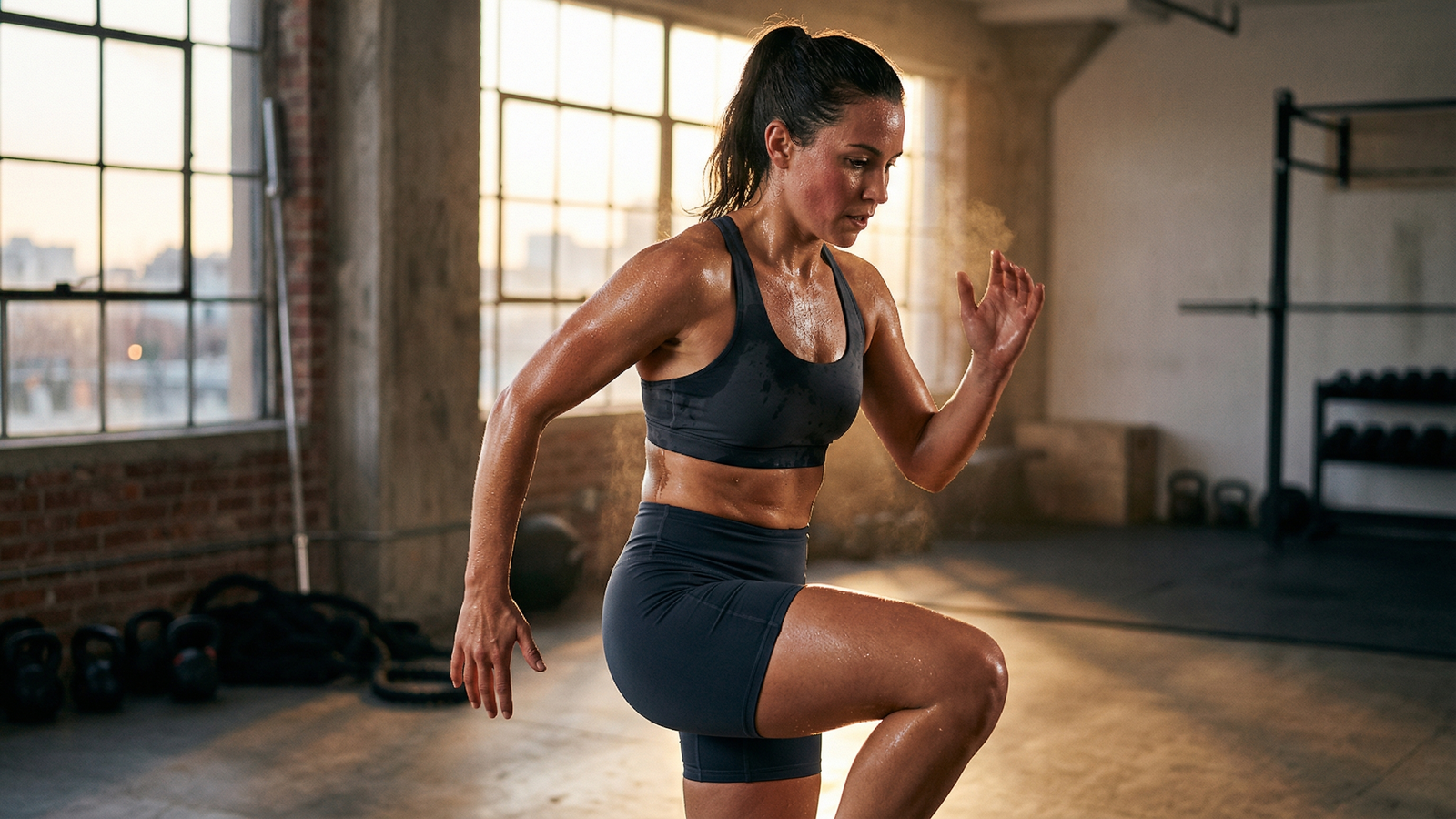
Do slimming creams work?
Not for fat loss. A topical “slimming” cream cannot selectively burn belly or thigh fat, produce lasting inch loss, or replace changes to food and activity. The Federal Trade Commission warns against weight-loss promises from creams applied to skin. A workout cream may leave the applied area feeling warm or make sweat more noticeable during exercise, depending on the formula and your response. That is a sensory or cosmetic experience—not evidence of faster fat loss, greater calorie burn, or a better workout. Sweat-related changes on a scale are fluid loss, not proof that body fat disappeared; drink fluids as needed during exercise. If you want a cream specifically to reduce fat or cellulite, skip the purchase for that promise. If you simply like the feel of a topical workout product, choose by heat tolerance and skin comfort, not by “slimming” language.
What can a workout cream actually do?
- Feel different on the skin: A formula can produce a warming or cooling sensation; intensity varies by product and person.
- Make a workout feel sweatier: You might notice moisture where you apply it, especially during exercise. You can also sweat without a cream; perspiration is not a measure of calories burned.
- Fit a routine you enjoy: Some people prefer the ritual of applying a cream before training. It is optional, not a substitute for a warm-up, hydration, or training plan.
What it does not establish: improved circulation, “opened pores,” injury prevention, reduced fatigue, faster recovery, cellulite removal, or fat burning. Those outcomes should not be inferred from a warm feeling or damp skin. For more context on sweat itself, read our guide to sweating creams.
Sweat cream or hot cream: which should you choose?
| Choice | What to expect | Who might prefer it |
|---|---|---|
| Sweat creams | The milder heat option in TNT's workout-cream range. | Someone curious about a workout cream who does not want the strongest heat sensation. |
| Hot creams | The stronger heat option; start cautiously if you have not tried it before. | Someone who already knows they prefer a pronounced warming feel and tolerates the formula. |
| Neither | No product to apply, and no implied body-shaping claim. | Anyone shopping only for fat loss, or anyone whose skin is irritated by these products. |
Start with preference, not promises. The categories describe a feel, not a medical effect or a fat-loss ranking. Browse the two live collections for current options and availability; do not assume a particular product is in stock. For a longer side-by-side explanation, see hot cream vs. sweat cream.
How should you try a cream before a workout?
- Read the actual product label for application area, amount, frequency, warnings, and removal. Different formulas need not have identical instructions.
- Before broader use, test a small area as the AAD recommends for new skin products. If you develop itching, redness, swelling, or uncomfortable burning, wash the product off and stop using it.
- Keep the product away from eyes, mucous membranes, and broken skin. Wash your hands after applying. Do not layer heat products, cover them tightly, or combine them with extra heat unless the label specifically allows it.
- Exercise normally; a cream is not your warm-up. Keep your usual hydration routine, particularly in hot conditions. You do not need a cream at all to make a workout count.
If you have a skin condition, are pregnant, or are unsure whether a product is appropriate for you, ask a qualified clinician rather than relying on a generic workout guide.
Four claims worth questioning before you buy
- “Sweat melts fat.” Sweat is fluid, not fat. A temporarily lighter scale reading after heavy sweating is not a slimming result. See Mayo Clinic's exercise guidance on sweat-related weight changes.
- “Apply to your stomach to target belly fat.” Skin application does not choose where fat is lost. The FTC flags skin-applied weight-loss claims as a warning sign.
- “Heat means it boosts performance or prevents injuries.” A skin sensation does not demonstrate either outcome. Keep doing your usual movement-based warm-up.
- “Natural means it cannot irritate.” Even botanical or fragranced products can bother skin; check ingredients and test first.
Frequently asked questions
Do slimming creams work for belly fat?
No. Applying a cream to the belly cannot selectively remove fat there. If the label promises spot reduction, treat that as a reason to be skeptical—not a buying criterion.
How do slimming creams work?
As topical cosmetics, some formulas produce a noticeable warming or cooling feel on the skin. You may see or feel sweat during a workout. Neither sensation proves that the cream changed your metabolism or reduced body fat.
Does a slimming cream work without exercise?
A topical sensation may be noticeable even at rest, but it will not cause passive fat loss. You do not need to “activate” fat burning by exercising with cream on, either.
Can a hot cream reduce cellulite?
Do not count on a hot workout cream to remove cellulite. We have not established evidence that these products provide a lasting reduction. Choose on skin feel, not a cellulite claim.
Is a hot cream better than a sweat cream?
Only if you prefer and tolerate a stronger heat sensation. TNT's sweat creams are the milder option; hot creams are stronger. Neither is a better route to fat loss.
Choose the feel, not a fat-loss promise
If you still want a topical workout product, compare milder sweat creams with stronger hot creams, read each product's label and current availability, and pick the option that fits your skin and heat preference. If your goal is fat loss alone, neither collection is a shortcut.
Sources
- Federal Trade Commission: The Truth Behind Weight Loss Ads — skin-applied cream and weight-loss promises.
- FTC: Gut Check reference guide — identifying dubious body-applied weight-loss claims.
- American Academy of Dermatology: How to test skin care products — testing and irritation guidance.
- Mayo Clinic: Exercise and fatigue guidance — sweat-related weight changes are water, not fat.