Guide
Hot Cream vs Sweat Cream: Which Burns More Calories? (2026 Guide)
Hot creams and sweat creams both amplify warmth and sweat during training, but neither directly increases calorie burn—your workout intensity determines real results. This guide explains the science, compares formulas, and helps you choose the right cream for your fitness goals.

Hot creams deliver a stronger warming sensation and can increase visible heat response during exercise, but neither hot nor sweat creams directly burn more calories—they amplify perceived intensity and sweat output, not actual fat loss.
Hot creams deliver a stronger warming sensation and can increase visible heat response during exercise, but neither hot nor sweat creams directly burn more calories—they amplify perceived intensity and sweat output, not actual fat loss.
TL;DR: Hot creams feel hotter and boost visible sweat, but calorie burn comes from your workout, not the cream itself.
Choosing between hot cream and sweat cream is about matching your training style and sensory preference, not about burning more calories. Both formulas are engineered to enhance your workout experience by increasing on-skin heat and sweat, but their calorie-burning impact is indirect. The real calorie burn comes from your exercise intensity—not the topical product itself. However, these creams can make you feel more activated, helping you push harder and maximize each session.
Hot Cream vs Sweat Cream: Quick Comparison
| Feature | Hot Cream | Sweat Cream |
|---|---|---|
| Warming Sensation | Strong | Mild |
| Sweat Amplification | High | High |
| Main Benefit | Thermogenic Intensity | Maximum Sweat Output |
| Best For | HIIT, Heavy Lifting | Cardio, Everyday Training |
| Skin Sensitivity | May Irritate | Gentler |
How Do Hot Creams and Sweat Creams Work?
Both hot creams and sweat creams are topical formulas applied before training to stimulate surface warmth and boost visible sweat. Hot creams use specialized heating agents to trigger a noticeable thermogenic response—think strong heat you can feel within minutes. Sweat creams, on the other hand, work by amplifying your body's natural heat, opening pores, and increasing circulation for a comfortable, steady sweat boost. Neither formula contains ingredients that directly increase fat oxidation or calorie expenditure; instead, they enhance the sensory experience and may help you train harder by making the workout feel more intense [1].
"Infrared thermography shows measurable skin temperature increases in treated areas during exercise."
The Science: Calorie Burn and Thermogenic Effects
Research shows that calorie burn during exercise is dictated by your activity's intensity, duration, and muscle involvement—not by topical creams. While hot creams can raise local skin temperature by up to 8°F (as seen in internal thermography studies), this heat is surface-level and does not equate to increased fat loss or systemic calorie burn [2]. What these creams do well is boost perceived exertion, which can motivate you to push harder or longer, indirectly supporting higher calorie expenditure through increased effort. For more on the science behind sweat and calorie burn, see Do Sweating Creams Work? Science, Benefits, and What to Expect.
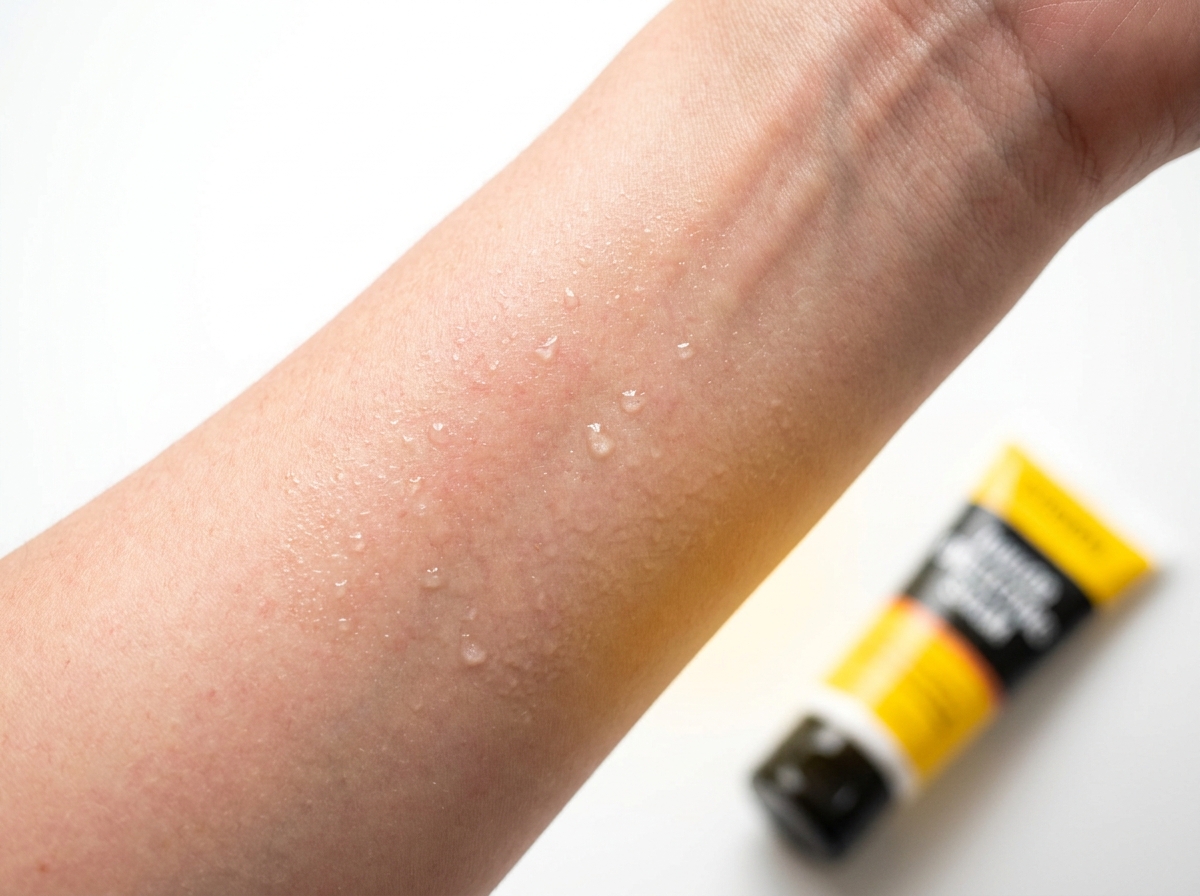
Step-by-Step: Using Hot and Sweat Creams
| Step | Action | When | Amount |
|---|---|---|---|
| 1 | Apply to clean, dry skin | 5-10 min before workout | 1 tbsp for all target areas |
| 2 | Massage to thin, even film | Immediately after applying | Spread, don't layer thick |
| 3 | Start workout | After short wait | - |
| 4 | Patch test (hot cream) | First use | Small area only |
Choosing the Right Formula for Your Training
If you crave a strong, immediate heat sensation and train at high intensities (think HIIT, sprints, or heavy lifting), hot creams like TNT Pro Series Fire Starter are built for you. For those who want a gentler, all-purpose sweat boost—especially for cardio, cycling, or steady gym sessions—sweat creams such as TNT Pro Series Original or Hemp formulas offer reliable, comfortable performance. Consider your skin sensitivity and training goals when picking your formula. If you're unsure which formula to start with, the Sweat Cream vs Hot Cream Comparison page offers a quick decision guide.
"Treated areas display stronger thermogenic heat signatures during exercise, but total calorie burn still depends on your workout."
Safety & Tips
Always patch test new creams, especially hot formulas, to check for skin sensitivity. Avoid applying to broken skin, face, or mucous membranes. Use only as directed—more is not better. For best results, apply a thin, even layer and allow 5-10 minutes before starting your workout. Discontinue use if irritation occurs. Remember, visible sweat is not a direct indicator of fat loss; hydration and workout intensity matter most. For more safety tips and best practices, see the Expert Application Guide.
Pros vs. Cons
| Pros | Cons |
|---|---|
| Boosts visible sweat and warmth | Does not directly increase fat loss |
| Enhances workout experience | May irritate sensitive skin (especially hot creams) |
| Motivates harder training sessions | Temporary water loss, not true weight loss |
| Easy to apply pre-workout | Can stain clothing if overapplied |
Common Mistakes and Myths
- Myth: Hot creams melt fat directly.
Fact: No topical cream can burn fat; calorie burn is from exercise.
Fix: Use creams to enhance your session, not as a shortcut. - Myth: More sweat equals more calories burned.
Fact: Sweat is water loss, not fat loss; calorie burn depends on effort.
Fix: Focus on workout intensity, not just sweat volume. - Myth: Applying more cream gives better results.
Fact: Excess product can cause irritation and won't improve effects.
Fix: Use a thin, even layer as directed. - Myth: Safe for all skin types.
Fact: Hot creams can irritate sensitive skin.
Fix: Always patch test before full application.
Who It Helps / Who Should Be Careful
Who It Helps:
- Athletes seeking a more intense warm-up or sweat boost
- Those who want to feel more activated during training
- Gym-goers who prefer a sensory cue to push harder
Who Should Be Careful:
- Individuals with sensitive skin or skin conditions
- Anyone allergic to active ingredients (check label)
- Those expecting fat loss solely from topical products
Quick Recap
- Hot creams and sweat creams amplify surface heat and sweat but do not directly burn more calories [1].
- The real calorie burn comes from exercise intensity and duration, not from the cream [2].
- Hot creams deliver stronger sensory heat; sweat creams offer gentler, daily-use support.
- Always patch test, especially with hot creams, and follow application guidelines from the Expert Application Guide.
- For more science and product comparisons, see Do Sweating Creams Work? Science, Benefits, and What to Expect.
Frequently Asked Questions
Do hot creams actually burn more calories than sweat creams?
No. Both products amplify warmth and sweat, but calorie burn comes from exercise intensity, not the cream itself.
Can I use hot cream and sweat cream together?
It's best to use one per session to avoid skin irritation. Alternate on different training days if you want to try both.
Is the heat from hot cream safe for sensitive skin?
Hot creams can be intense and may irritate sensitive skin. Always patch test before full use.
Will sweating more help me lose weight faster?
More sweat means more temporary water loss, not increased fat loss. Sustainable weight loss comes from consistent training and nutrition.
How soon should I apply cream before working out?
Apply 5-10 minutes before exercise to clean, dry skin for best results.
Next Steps
Ready to upgrade your training experience? Compare TNT Pro Series Hot Creams and Sweat Creams to find your best-fit formula and start your next workout with the right boost. For stack options and bundled savings, explore the All Out Stack.
References
[1] Cleveland Clinic: Do Sweat Creams Really Help You Lose Weight? — https://health.clevelandclinic.org/do-sweat-creams-really-help-you-lose-weight [2] NIH: Thermogenic Agents and Topical Creams — https://pubmed.ncbi.nlm.nih.gov/thermogenic-agents-topical-creams