Best Sweat Cream for Running in Hot Weather
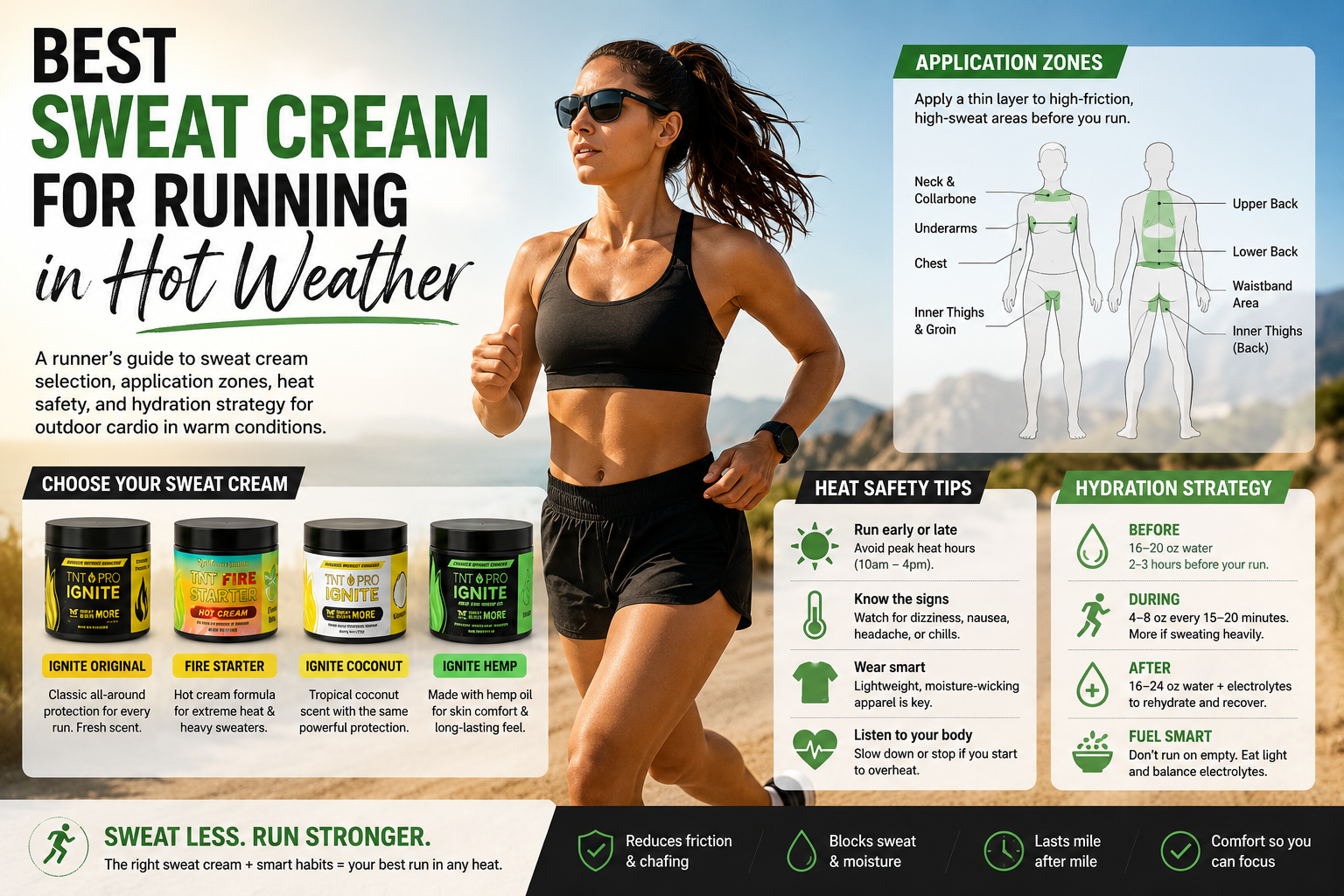
A runner's guide to sweat cream selection, application zones, heat safety, and hydration strategy for outdoor cardio in warm conditions.
Why Runners Use Sweat Cream for Outdoor Cardio
The best sweat cream for running in heat is one that increases localized perspiration while staying put through miles of movement, sweat, and sun exposure. Running is one of the most thermogenically demanding forms of exercise. Your core temperature climbs faster than in most gym workouts because you're generating sustained mechanical heat with no rest intervals, and outdoor conditions — sunlight, humidity, pavement radiance — pile on additional thermal load.
Sweat cream gives runners a targeted advantage. When applied to specific body zones before a run, it amplifies the body's natural perspiration response in those areas. Your body is already working overtime to cool itself during a hot-weather run. The cream concentrates that cooling effort where you want it most — your midsection, thighs, and lower back.
Unlike gym-based training where you can control temperature with air conditioning, outdoor runners are fully exposed to environmental heat. This makes the body's evaporative cooling system critically important. Sweat cream doesn't override this system — it enhances it. The topical warming agents in quality formulas like those from TNT Pro Series signal your skin's thermoreceptors to produce more sweat locally, which then evaporates and provides cooling exactly where you need it.
For distance runners training through summer months, this targeted approach helps maintain consistent thermal management across long runs. Instead of your body randomly prioritizing sweat zones, the cream helps direct perspiration to the areas where heat buildup is greatest during the running gait — particularly the core and inner thighs where fabric friction adds additional warmth.
Running in heat already pushes your thermoregulation to its limits. Sweat cream works with — not against — your body's natural cooling system by concentrating perspiration in targeted zones. For outdoor runners, this means more efficient heat dissipation in the areas that generate the most warmth during your stride.
Running-Specific Application Zones: Where to Apply for Maximum Effect
Runners should focus sweat cream on three primary zones: the core/midsection, inner thighs, and lower back. These are the areas where heat accumulates most during upright, forward-motion cardio — and where increased perspiration makes the biggest performance difference.
Zone 1: Core and Midsection
Your abdominal area is the epicenter of heat production during running. The large muscle groups of the hip flexors and core stabilizers fire constantly through each stride cycle, generating significant metabolic heat. Apply a generous layer across the entire front of your midsection, wrapping around to your obliques. This is the zone where most runners notice the most dramatic perspiration increase from sweat cream.
Zone 2: Inner Thighs
The inner thigh is a high-friction zone during running. Your legs are in constant motion, and the adductor muscles along the inner thigh produce considerable heat. This area also has a high density of sweat glands, making it extremely responsive to topical sweat enhancers. The Sweat Stick – Hemp is ideal here — its roll-on format allows precise application without the mess of rubbing cream between your legs before a run.
Zone 3: Lower Back
Your erector spinae muscles work continuously to maintain your running posture. The lower back is often overlooked, but it's one of the hottest zones on a runner's body — particularly during long efforts when postural fatigue sets in and these muscles work harder. Apply a palm-sized amount to the lumbar region, extending slightly upward toward your mid-back.
Zones to Avoid
- Hands and forearms: Sweat cream can make your grip slippery, which is problematic if you carry a water bottle or use handrails.
- Feet: Any slipperiness inside your running shoes increases blister risk and can destabilize your gait.
- Face and neck: These areas are already highly efficient at sweating. Adding cream can cause it to run into your eyes during a long run.
- Chest (for women): If wearing a sports bra, cream under the band can cause sliding and chafing over distance.
Focus your sweat cream on core, inner thighs, and lower back — the three zones that generate the most heat during running. Avoid hands, feet, and face where slipperiness or runoff could create problems over distance. Use the Sweat Stick format for precision on hard-to-reach or friction-sensitive areas like inner thighs.
Heat Safety and Hydration Strategy for Sweat Cream Runners
Using sweat cream in hot weather demands a deliberate hydration strategy. Because the cream increases localized perspiration, your total fluid loss during a hot run will be higher than usual. This isn't dangerous if you plan for it — but ignoring hydration can turn a productive training session into a medical situation fast.
Pre-Run Hydration Protocol
Start hydrating 2–3 hours before your run. Aim for 16–20 ounces of water during this window. Avoid chugging it all at once — spread it across the pre-run period so your body can absorb it properly. In the final 15 minutes before heading out, take 4–6 ounces more. If your urine is pale yellow, you're in good shape.
During-Run Fluid Targets
The standard recommendation for running in heat is 5–8 ounces of fluid every 15–20 minutes. When using sweat cream, add an extra 4–8 ounces per 20 minutes on top of your baseline. For runs over 45 minutes, carry a hydration vest or belt, or plan your route to include water fountains. If running longer than 60 minutes, switch to an electrolyte drink for at least half your fluid intake to replace sodium, potassium, and magnesium lost through increased sweat.
Heat Index Guidelines for Sweat Cream Use
- Below 80°F: Full application, all zones. Ideal conditions for sweat cream running.
- 80–90°F: Full application, but increase fluid intake by 25% and shorten your run by 10–15% compared to temperate conditions.
- 90–95°F: Reduce application to core only. Skip thighs and lower back. Monitor for signs of heat exhaustion: dizziness, nausea, or confusion.
- Above 95°F with high humidity: Consider skipping sweat cream entirely, or move your run to early morning or evening when temperatures drop. Heat stroke risk is real — no workout is worth a hospital visit.
Post-Run Recovery
Shower within 30 minutes of finishing to remove the cream and allow your skin to breathe. Rehydrate aggressively — aim for 20–24 ounces of fluid for every pound of body weight lost during the run. Weigh yourself before and after a few runs to calibrate your personal sweat rate when using cream.
Best TNT Pro Series Formulas for Runners — Compared
The Sweat Cream – Coconut is the top pick for runners because its coconut-oil base provides superior moisture retention that prevents the cream from drying out during extended outdoor efforts. Wind, sun, and sustained sweat production all work to strip moisture from your skin — the Coconut formula resists this better than any other variant.
| Product | Best For | Running Rating | Why Runners Choose It | |
|---|---|---|---|---|
| Sweat Cream – Coconut | Long Runs, Hot Weather | ★★★★★ | Superior moisture retention, won't dry out in wind/sun | |
| Sweat Stick – Hemp | Pre-Run Convenience, Thighs | ★★★★★ | No-mess application at trailhead, perfect for inner thighs | |
| Sweat Cream – Hemp | Full-Body Coverage | ★★★★☆ | Long-lasting hemp formula, great for broad application | |
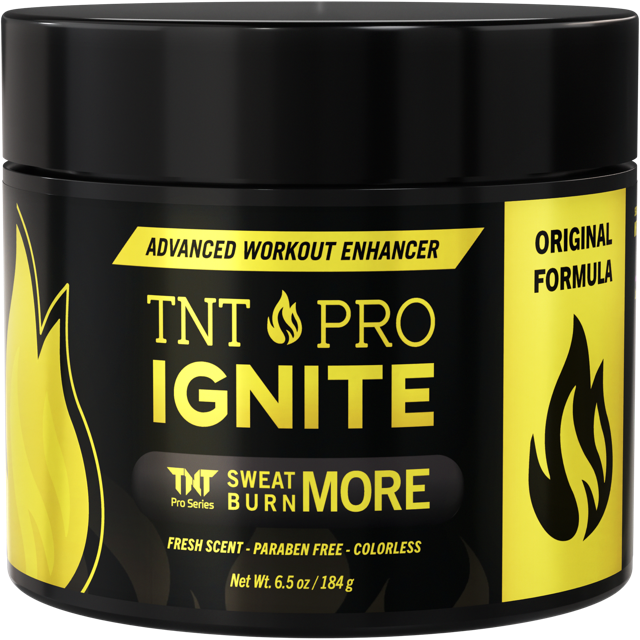
| Sweat Cream – Original | Shorter Runs, Beginners | ★★★★☆ | Fast activation, proven classic formula |
All TNT Pro Series products are made in the USA at a cGMP certified facility in Woodstock, Illinois. They're free from the capsaicin and harsh irritants found in many competing products — which is critical for runners, since skin irritation during a long run can derail your entire session.
For running, the Coconut cream and Hemp Sweat Stick make the ideal pairing — the cream for broad coverage on your core, and the stick for precise, no-mess application on inner thighs. Both are designed to last through the sweat, wind, and sun of outdoor cardio.
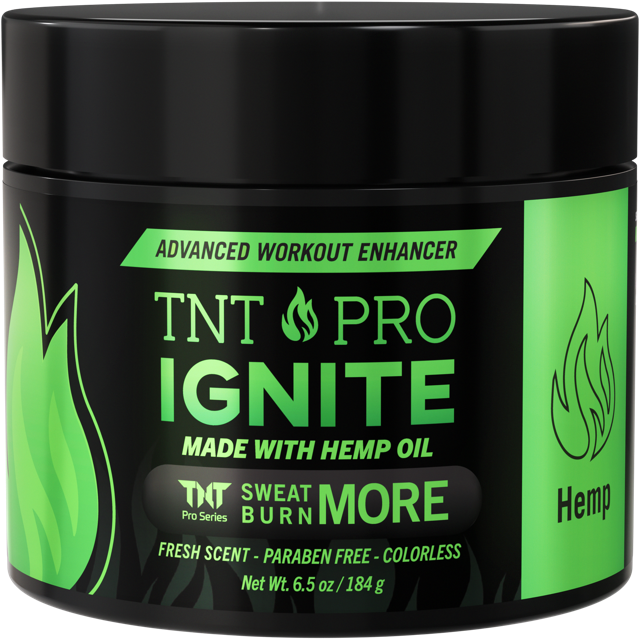
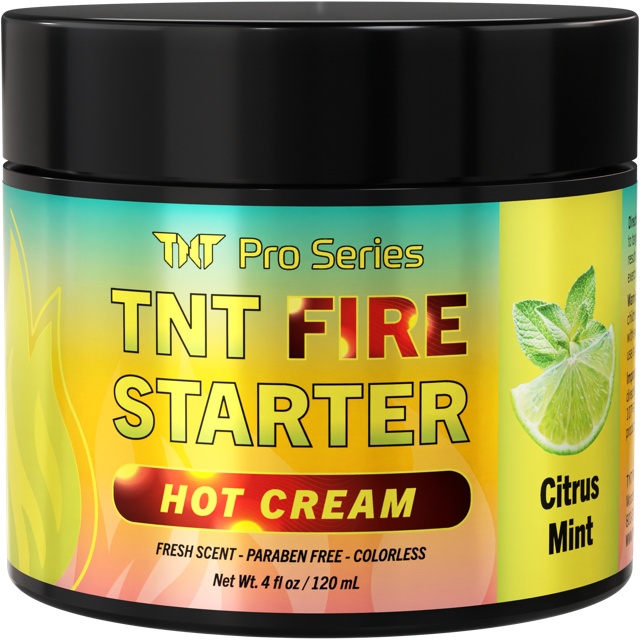
Two picks for hot-weather running
Hemp for longer-duration sweat-and-recover; Citrus Mint Fire Starter for shorter runs where heat + intensity matter.
Pre-Run Sweat Cream Application Protocol
Proper application before a run takes about 8 minutes — and the difference between doing it right and rushing through it is enormous. Here's the exact protocol used by TNT Pro Series athletes who train in heat.
Step-by-Step for Runners
- Start with clean, dry skin. If you've been sitting in a car or commuting to your run location, wipe down your target areas with a dry towel. Sunscreen residue, existing sweat, or body lotion will block absorption.
- Complete a 3–5 minute dynamic warm-up. Leg swings, walking lunges, high knees, and arm circles. This opens your pores and brings blood to the surface. Don't skip this — warm skin absorbs cream significantly better than cold skin.
- Apply to Zone 1 (Core) first. Use approximately a golf-ball-sized amount of Coconut cream. Spread evenly across your front midsection and around to your obliques. Massage in circular motions for 20–30 seconds.
- Apply to Zone 3 (Lower Back). Use a slightly smaller amount. Reach behind and spread across your lumbar region. A running partner can help with even distribution here.
- Apply to Zone 2 (Inner Thighs). This is where the Sweat Stick – Hemp excels. Roll it directly onto each inner thigh from just above the knee to the groin crease. Clean, fast, no messy hands.
- Wait 5 minutes. Let the cream activate. You should feel gentle warmth developing. Use this time to hydrate, stretch, or set your GPS watch.
- Put on your running gear and go. Compression shorts or tights worn over the cream on your thighs create an additional heat-trapping effect.
Common Mistakes Runners Make
- Applying sunscreen first, then sweat cream: Reverse the order. Sweat cream goes on bare skin. Apply sunscreen to non-cream areas (arms, shoulders, face) separately.
- Using too little: A thin layer evaporates quickly in hot conditions. Don't be shy — use enough to visibly coat each zone.
- Applying to damp or sweaty skin: Even light moisture creates a barrier. Towel off completely first.
- Skipping the activation wait: Running immediately after application means the cream hasn't penetrated. Give it 5 minutes.
How Sweat Cream Performs Across Different Temperatures
Sweat cream effectiveness varies with ambient temperature, humidity, and direct sun exposure. Understanding how these environmental factors interact with the cream helps you calibrate your application and expectations for every run.
Cool Conditions (50–65°F)
In cooler weather, sweat cream serves a different purpose. Your body's natural perspiration response is lower, so the cream's warming effect becomes more noticeable — almost like a mild warming layer. Runners doing tempo runs or speed work in cool conditions report that the cream helps them reach working temperature faster, reducing the first-mile stiffness that plagues cold-weather runners. Apply normal amounts to all three zones.
Moderate Conditions (65–80°F)
This is the sweet spot for sweat cream performance during running. Your body is warm enough to activate a strong perspiration response, but conditions aren't so extreme that hydration becomes a critical concern. Apply to all three zones and follow standard hydration. Most runners report the most satisfying visible perspiration results in this temperature range.
Hot Conditions (80–95°F)
This is where sweat cream delivers its most dramatic results — but also where smart planning matters most. The combination of high ambient temperature, solar radiation, and the cream's thermogenic effect creates intense localized perspiration. Scale your application based on the temperature guidelines in the heat safety section above. Increase fluid intake by at least 25%, and consider shortening your run distance.
High Humidity Considerations
Humidity changes the equation regardless of temperature. In humid conditions (above 60% relative humidity), evaporative cooling becomes less efficient because the air is already saturated with moisture. Your body still sweats — it just doesn't evaporate as quickly. Sweat cream will still increase perspiration, but the cooling benefit is reduced. In very humid conditions, focus on core-only application and increase fluid intake even beyond hot-weather recommendations.
Sweat cream works across all running conditions but performs differently at each temperature. The 65–80°F range is the sweet spot. In extreme heat above 95°F, skip the cream entirely. In humid conditions, reduce application areas and increase fluid intake — evaporative cooling is less effective when the air is already moisture-saturated.
Ready to Elevate Your Runs?
Try the runner's favorite sweat cream duo. Made in the USA at our cGMP certified facility in Woodstock, IL.
Frequently Asked Questions
No — sweat cream works with your body's natural cooling system, not against it. It increases perspiration in applied areas, which actually aids evaporative cooling. However, always follow heat safety guidelines: run during cooler hours, stay hydrated, and listen to your body. If temperatures exceed 95°F with high humidity, consider skipping the cream or reducing your mileage.
Apply sweat cream after a brief 3–5 minute dynamic warm-up, when your pores are slightly open and blood flow to the skin has increased. Apply to clean, dry skin, then wait 5 minutes before starting your run. The Sweat Stick – Hemp is especially convenient for quick pre-run application at the trailhead or parking lot.
For running, focus on three primary zones: your core/midsection (front and sides), inner thighs (high sweat-response area during running), and lower back (major heat-generating zone during upright cardio). Avoid applying to your hands, feet, or any area where slipperiness could affect your grip or footing.
Add 4–8 ounces of water per 20 minutes on top of your normal hydration schedule when using sweat cream. For runs over 45 minutes in heat, carry a hydration vest or plan a water stop. Pre-hydrate with 16–20 oz of water 2 hours before your run, and replenish with an electrolyte drink afterward to replace lost sodium and potassium.
Absolutely. Sweat cream works for both settings, though you may notice different perspiration levels. Outdoor running in heat naturally generates more sweat, so the cream amplifies an already elevated response. On a treadmill, the cream helps compensate for the lack of wind resistance and solar heat, giving you a similar thermogenic effect indoors.
Ready to run hotter?
Pick one of the two below — or take the 10-second quiz to match your run length and skin sensitivity.